


Introduction
Finding the right mobility solution for your vehicle can be a challenging process, but having those adaptations fitted shouldn’t add to the stress. Mobile adaptation fitting services have revolutionised how people with disabilities access essential vehicle modifications, bringing expert installation directly to your doorstep. Rather than spending days without your vehicle whilst it sits in a garage, mobile fitting specialists arrive at your home, workplace, or chosen location to install mobility aids efficiently and professionally.
This comprehensive guide explores everything you need to know about mobile adaptation fitting services, from the initial assessment to the final quality checks. Whether you’re considering hand controls, left foot accelerators, steering aids, or more complex modifications, understanding what happens on your driveway will help you prepare for the process and appreciate the expertise involved in making your vehicle accessible and safe.
What Is Mobile Adaptation Fitting?
Mobile adaptation fitting is a specialised service where qualified technicians travel to your location to install vehicle adaptations and mobility aids. Unlike traditional garage-based installations, this convenient approach means you don’t need to arrange transportation to a workshop or be without your vehicle for extended periods.
These mobile professionals arrive in fully equipped vans containing all the necessary tools, parts, and equipment to complete most adaptations on-site. The service has gained tremendous popularity across the UK, particularly among those with mobility challenges who find travelling to garages difficult or impossible.
The Convenience Factor
The primary advantage of mobile fitting is undoubtedly convenience. For individuals with disabilities, arranging alternative transport to and from a garage can be problematic and sometimes prohibitively expensive. With mobile services, you simply schedule an appointment, and the experts come to you—whether that’s your home, workplace, or care facility.
Types of Adaptations We Fit On Your Driveway
Mobile adaptation specialists can install a wide range of modifications, from simple aids to more complex systems. Understanding what can be fitted at your location helps set realistic expectations.
Hand Controls
Hand controls are amongst the most commonly fitted adaptations, allowing drivers who cannot use foot pedals to operate the accelerator and brake using hand-operated levers. Modern electronic hand controls can be fitted with minimal modification to your vehicle, making them ideal for mobile installation.
The fitting process typically takes between two to four hours, depending on the system complexity. Our technicians ensure the controls are positioned perfectly for your reach and comfort, adjusting them until you’re completely satisfied.
Left Foot Accelerators
For drivers who have limited use of their right leg but can operate pedals with their left foot, a left foot accelerator provides an excellent solution. This adaptation involves fitting an additional accelerator pedal on the left side of the brake pedal, whilst the standard right hand side accelerator is hinged away to prevent accidental operation.
These adaptations are usually mechanical, straightforward to install, and perfectly suited to mobile fitting services. The installation usually takes around one to two hours.
Wheelchair Hoists
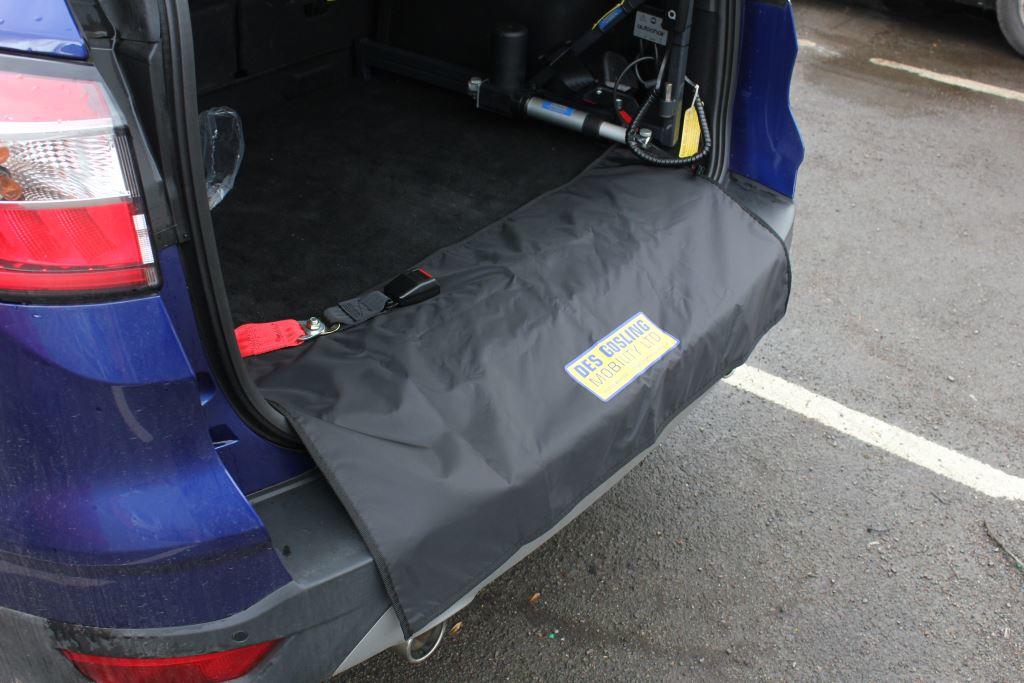
For people who need to load a mobility scooter, wheelchair or powerchair into the back of their car a boot hoist is a great option. These do all the heavy lifting and the user simply has to gently guide the device into the back of the car. Wheelchair hoists are available as either 2-Way or 4-Way options and both types can be installed at your home address in 3-5 hours when vehicle specific kits are available.
Steering Aids
Steering aids come in various forms—from simple steering wheel balls to more sophisticated tri-pin devices and palm grips. These adaptations assist drivers with limited grip strength, restricted arm movement, or those who can only use one hand to steer.
Most steering aids attach directly to the steering wheel without permanent modification to the vehicle, making them quick and easy to fit on your driveway. Installation typically takes under an hour, though the fitting appointment may be longer to ensure proper positioning and comfort.
Pedal Modifications
Pedal extensions, raised pedals, and pedal guards are common modifications that help drivers of shorter stature or those with specific mobility needs. These adaptations are generally mechanical and don’t require extensive vehicle modification, making them perfect candidates for mobile installation.
Secondary Controls
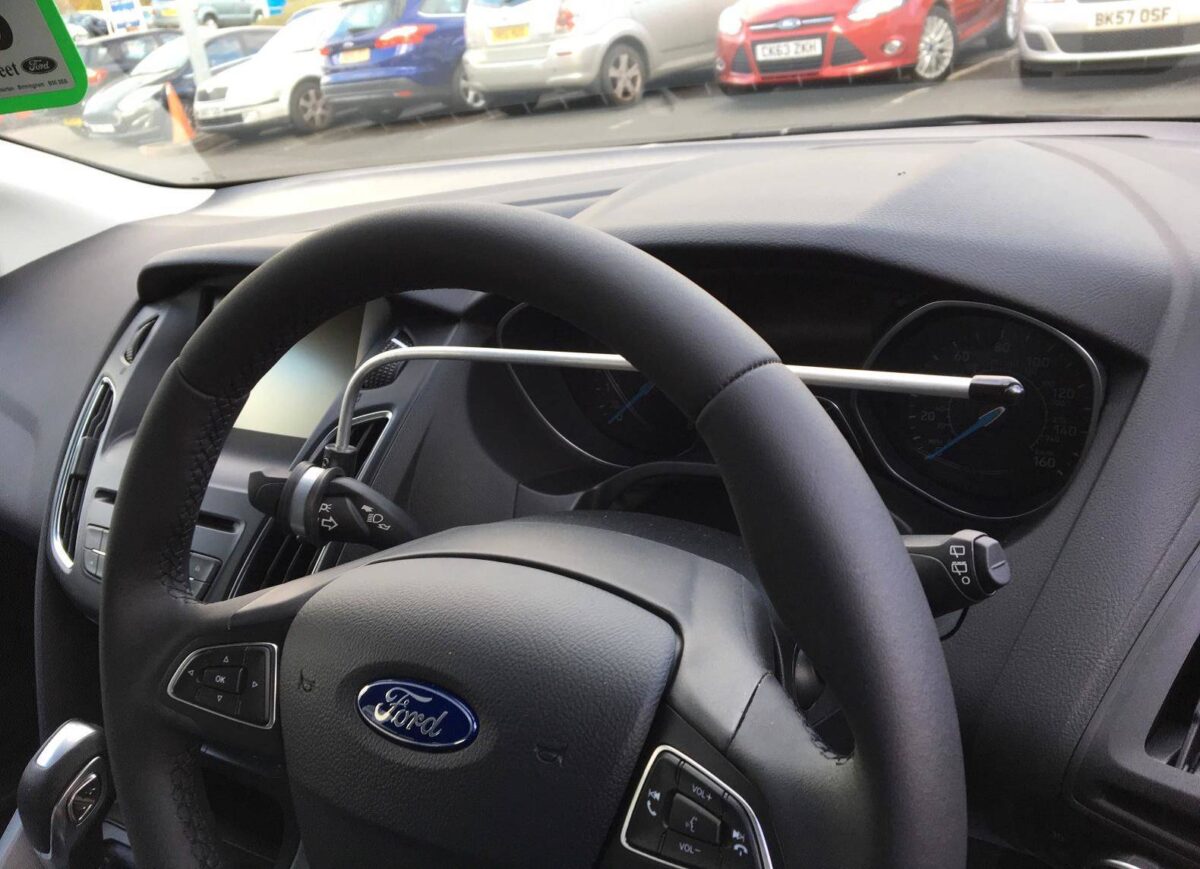
Secondary controls relocate functions like indicators, lights, windscreen wipers, and horn to more accessible positions. These adaptations often use wireless technology or simple mechanical extensions, making them suitable for mobile fitting. Installation time varies depending on the product and number of controls being relocated.
Transfer Plates
Transfer plates are vehicle access aids designed to bridge the gap over the door sill. They are a perfect bridge for wheelchair users transferring into the driver or passenger seat, and can also make a transfer from a standing position down into a lower vehicle much easier. Transfer plates are available as either a fixed position mechanical option or an electronically raising and lowering plate. Fixed transfer plates can be fitted and adjusted to the perfect height for the user at a home address in around 2 hours.
The Mobile Fitting Process: Step by Step
Understanding what happens during your appointment helps you prepare and ensures everything runs smoothly.
Initial Consultation and Assessment
Before any fitting takes place, you’ll have an initial consultation—often conducted by telephone or video call. During this conversation, the specialist will:
- Discuss your specific mobility requirements
- Understand your medical conditions and limitations
- Recommend appropriate adaptations
- Explain the fitting process
- Provide accurate cost estimates
- Answer any questions you might have
Some companies offer home assessments where a specialist visits to evaluate your needs in person and examine your vehicle before booking the fitting appointment.
Pre-Fitting Preparation
Once you’ve decided to proceed, you’ll receive confirmation of your appointment with guidance on preparation. Typically, you’ll need to:
- Ensure your driveway or fitting location has adequate space for the technician to work
- Ensure the vehicle is accessible and not blocked in
If your driveway is unsuitable, discuss alternatives with the company—some can arrange fitting at nearby secure locations.
Arrival and Setup
On the appointment day, the mobile technician arrives in a fully equipped van, typically within a scheduled time window. They’ll introduce themselves, confirm the adaptations being fitted, and conduct a brief vehicle inspection.
The technician will set up their workspace on your driveway, laying out any necessary protective materials to safeguard your vehicle during the installation process.
Installation Process
The fitting itself varies in duration depending on the complexity of the adaptation:
Simple adaptations (steering aids, pedal extensions) usually take 30 minutes to one hour.
Standard adaptations (hand controls, left foot accelerators) typically require two to four hours.
Complex adaptations (multiple systems, wheelchair hoists) may take four to six hours.
Throughout the installation, the technician works methodically, ensuring every component is correctly positioned, securely fitted, and functioning properly. They’ll periodically check with you regarding positioning and comfort, particularly for controls that require user specific fitting.
Testing and Adjustment
Once installation is complete, thorough testing begins. The technician will:
- Check all mechanical functions operate smoothly
- Test electronic systems are responding correctly
- Verify all original vehicle functions remain unaffected
- Make fine adjustments based on your feedback
- Ensure adaptations are secure and safe
You’ll be invited to test the adaptations yourself. This is your opportunity to ensure everything feels comfortable and accessible. Don’t hesitate to request adjustments—getting it right is essential for safe use of the adaptations.
Demonstration and Training
After installation and testing, the technician provides training on use of your new adaptations. This includes:
- Detailed explanation of how each adaptation works
- Safety information and precautions
- Maintenance requirements
- What to do if problems arise
- Emergency procedures where applicable
For more complex systems, particularly wheelchair hoists, this training is crucial for safe operation. Take notes if helpful and ask questions until you’re completely confident.
Documentation and Certification
Before leaving, the technician completes all necessary paperwork, including:
- Installation certificates
- Warranty documentation for parts and labour
- Maintenance schedules and service requirements
- Contact information for ongoing support
You’ll receive copies of all documentation.
Advantages of Mobile Fitting Services
Beyond convenience, mobile adaptation fitting offers numerous benefits worth considering.
Time Efficiency
Having adaptations fitted on your driveway eliminates travel time to and from garages. You’re not left without transport, and you can continue with your day while work progresses. For straightforward adaptations, you might only be without your vehicle for a few hours rather than days.
Personalised Service
Mobile fitters typically offer more personalised attention than busy garage workshops. With fewer distractions, they can focus entirely on your needs, taking time to ensure perfect positioning and comfort.
Familiar Environment
Having work completed at home means you’re in a comfortable, familiar environment. This is particularly beneficial for individuals with anxiety or those who find unfamiliar places challenging.
What Adaptations Require Workshop Installation?
Whilst mobile fitters can handle most common adaptations, certain complex modifications require workshop facilities:
- Swivel seats which require significant programming
- Electronic Accelerator systems involving complex wiring
- Complex wheelchair-accessible vehicle conversions
- Bespoke adaptations for individual users with particular requirements
Your mobile fitting specialist will be transparent about what they can achieve on your driveway and will recommend workshop services when necessary.
Other Considerations
Weather
Most adaptations can be fitted outdoors in various weather conditions. However, extreme weather may cause delays. For electronic installations, some protection from heavy rain is preferable. If you have a garage or carport, mention this when booking.
Access to Power
Most mobile fitters have portable power solutions, but access to a mains electric supply can be helpful for certain tools and equipment. Mention if this is available when booking.
Aftercare and Ongoing Support
The relationship with your mobile adaptation specialist doesn’t end when installation is complete.
Follow-Up Contact
Reputable companies conduct follow-up calls to ensure you’re satisfied and comfortable with your adaptations. This is your opportunity to raise any concerns or request minor adjustments.
Maintenance Services
Regular maintenance ensures adaptations continue functioning safely and reliably. Mobile fitters typically offer periodic servicing at your location, checking for wear, making adjustments, and replacing components as needed.
Emergency Support
Reliable mobile adaptation companies provide mobile support if adaptations fail or become unsafe. Larger companies usually have greater flexibility due to increased number of staff members so can reach you sooner in the event of any issues.
Choosing the Right Mobile Adaptation Fitter
Selecting a qualified, experienced mobile fitter is crucial for safety and satisfaction.
Qualifications and Accreditation
Look for fitters with:
- Recognised industry qualifications
- Membership in professional organisations
- Comprehensive insurance coverage
- Positive customer reviews and testimonials
Experience with Your Specific Needs
Different fitters specialise in different adaptations. Ensure your chosen specialist has extensive experience with your particular requirements.
Transparent Pricing
Reputable companies provide clear, detailed quotations with no hidden costs. Be wary of unusually cheap quotes—quality adaptations and professional installation require investment.
Communication and Customer Service
From initial contact onwards, assess how the company communicates. Are they responsive, patient with questions, and willing to explain technical details in accessible language?
Conclusion
Mobile adaptation fitting services have transformed vehicle accessibility, bringing professional expertise directly to your driveway and making the process of obtaining essential mobility aids more convenient than ever. From simple steering aids to complex electronic hand controls, experienced mobile technicians can install a wide range of adaptations safely and efficiently at your chosen location.
Understanding what happens during the mobile fitting process—from initial consultation through installation, testing, and training—helps you prepare properly and ensures you receive the best possible service. The combination of convenience, personalised attention, and professional standards makes mobile fitting an excellent choice for most common vehicle adaptations.
By choosing a qualified, experienced mobile adaptation specialist, you’re investing in your independence and ensuring your vehicle is modified to the highest safety standards. With proper installation, training, and ongoing support, your adaptations will provide years of reliable service, making driving accessible, comfortable, and safe.
Whether you’re obtaining your first vehicle adaptation or upgrading existing systems, mobile fitting services offer a stress-free, efficient solution that prioritises your convenience without compromising on quality or safety. Your journey towards improved mobility and independence begins right there on your driveway.

