


Introduction
Vehicle adaptations have transformed the lives of countless drivers with disabilities or mobility challenges, providing independence, freedom, and the ability to travel safely and comfortably. Whether you’ve invested in hand controls, wheelchair hoists, left-foot accelerators, or a complete wheelchair-accessible vehicle (WAV), these modifications represent a significant commitment—both financially and in terms of your daily mobility needs.
However, the journey doesn’t end once your adaptations are installed. Like any mechanical or electronic system in your vehicle, adapted equipment requires regular maintenance, proper care, and occasional servicing to ensure it continues functioning safely and reliably. Neglecting aftercare can lead to equipment failure, potentially leaving you stranded or, worse still, compromising your safety on the road.
This comprehensive guide explores everything you need to know about aftercare and maintenance for vehicle adaptations, from establishing routine checks to understanding warranty requirements, finding qualified technicians, and knowing when professional intervention is necessary. Whether you’re new to adapted vehicles or a seasoned user, this article will help you protect your investment and maintain your independence for years to come.
Understanding the Importance of Regular Maintenance
Safety Considerations
The primary reason for maintaining your vehicle adaptations is safety. These modifications are often directly connected to your vehicle’s critical control systems—brakes, acceleration, steering, and entry/exit mechanisms. A malfunctioning hand control or incorrectly secured wheelchair could have catastrophic consequences whilst driving.
Regular maintenance ensures that all safety features continue operating as designed, that locking mechanisms engage properly, and that electronic systems respond accurately to your inputs. This peace of mind is invaluable when navigating busy roads or motorways.
Extending Equipment Lifespan
Quality vehicle adaptations represent a considerable investment, often costing thousands of pounds. Proper maintenance significantly extends the working life of this equipment, delaying the need for costly replacements and ensuring you receive maximum value from your initial investment.
Simple preventative measures, such as lubricating moving parts and checking for wear, can prevent minor issues from escalating into major failures requiring expensive repairs or complete replacement.
Maintaining Warranty Coverage
Most reputable adaptation suppliers provide warranties covering parts and labour for specified periods. However, these warranties typically include conditions requiring regular servicing at prescribed intervals. Failing to maintain proper service records could void your warranty, leaving you personally liable for repair costs that might otherwise have been covered.
Creating a Maintenance Schedule
Daily Visual Checks
Developing a habit of daily visual inspections takes only minutes but can identify potential problems before they become serious. Before each journey, check:
- Hand controls and pedal guards: Ensure nothing appears loose or damaged
- Wheelchair securing points: Verify all straps, clamps, and restraints are present and undamaged
- Hoists and lifts: Look for obvious wear, fraying cables, or unusual positioning
- Transfer seats: Check the track and swivel mechanism for obstructions
- Entry ramps or lowered floors**: Ensure clear of debris and moving smoothly
Any unusual sounds, resistance, or visual damage should be investigated immediately before driving.
Weekly Maintenance Tasks
Set aside time weekly for slightly more thorough checks:
- Clean control surfaces and equipment to prevent dirt accumulation
- Test all electronic functions, including hoists, ramps, and powered adaptations
- Check battery levels in any battery-powered equipment
- Inspect harnesses and seatbelts for fraying or damage
- Ensure wheelchair or mobility aid securing points remain firmly attached
Monthly Service Checks
Monthly maintenance should include:
- Lubricating moving parts according to manufacturer specifications
- Checking all bolts, screws, and fixtures for tightness
- Testing emergency release mechanisms on hoists and securing systems
- Inspecting upholstery and padding for wear
- Verifying that all labels and instruction notices remain legible
Annual Professional Servicing
Regardless of how well you maintain your adaptations, annual professional servicing by qualified technicians is essential. This comprehensive inspection should coincide with your vehicle’s MOT when possible, ensuring all adaptations meet legal safety standards.
Professional servicing typically includes load testing of hoists, electronic diagnostics, replacement of worn components, and certification that your adaptations remain roadworthy and compliant with regulations.
Specific Maintenance by Adaptation Type
Hand Controls and Pedal Modifications
Hand controls require particular attention as they directly govern acceleration and braking:
- Lubrication: Apply appropriate lubricant to pivot points and moving joints every few weeks
- Cable inspection: Check push-pull cables for fraying, kinking, or excessive slack
- Electronic systems: Have electronic hand controls professionally tested annually
- Adjustment: Ensure controls haven’t shifted position or loosened over time
- Pedal guards: Verify that guards preventing accidental pedal operation remain securely fitted
Wheelchair Hoists and Lifts
Hoists bear substantial weight and operate under considerable mechanical stress:
- Weight limits: Never exceed the manufacturer’s specified weight capacity
- Cable inspection: Regularly check lifting cables for fraying, rust, or damage
- Emergency features: Test manual override systems quarterly
- Cleanliness: Keep tracks, platforms, and mechanisms free from dirt and debris
- Battery maintenance: For electric hoists, ensure batteries are charged and terminals clean
- Hydraulic systems: Check fluid levels and look for leaks in hydraulic models
Swivel Seats and Transfer Equipment
Transfer aids must operate smoothly to prevent injury:
- Track cleaning: Remove accumulated dirt from seat tracks regularly
- Locking mechanisms: Test that seats lock securely in both swivelled and standard positions
- Upholstery: Check for tears that might catch clothing or skin
- Electronics: Verify powered swivel seats respond correctly to controls
Wheelchair-Accessible Vehicle (WAV) Specific Maintenance
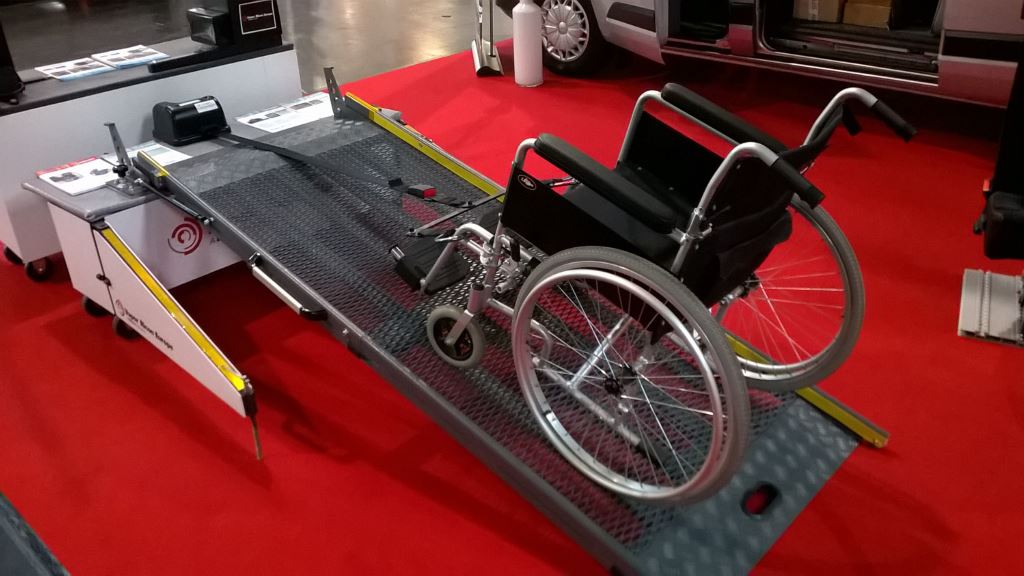
Complete WAVs require comprehensive maintenance:
- Ramp mechanisms: Clean tracks, check hydraulics, and test safety edges that prevent closing on obstructions
- Lowered floors: Inspect for water ingress, particularly around seals
- Securing systems: Regularly test all wheelchair restraint points and belts
- Conversion integrity: Have the structural modifications inspected annually for any signs of stress or corrosion
Finding Qualified Service Providers
Choosing a Reputable Installer
Ideally, return to the company that installed your adaptations for servicing. They’ll have detailed knowledge of your specific equipment and installation, along with appropriate parts and diagnostic equipment.
Independent Specialists
If your original installer is no longer available or geographically inconvenient, seek independent specialists. Look for technicians with:
- Relevant certifications and training
- Experience with your specific adaptation brand
- Appropriate insurance coverage
- Positive reviews from other adapted vehicle users
- Membership in professional bodies such as the British Healthcare Trades Association (BHTA)
Manufacturer-Approved Service Centres
Many adaptation manufacturers maintain networks of approved service centres throughout the UK. These facilities employ factory-trained technicians and stock genuine parts, ensuring quality maintenance.
Common Problems and Solutions
Electronic Malfunctions
Electronic adaptations may experience occasional issues:
- Check connections: Loose wiring is a common culprit
- Battery voltage: Low vehicle battery can affect electronic adaptations
- Fuse inspection: Check relevant fuses before assuming major faults
- Software updates: Some systems require periodic software updates
Mechanical Wear
Normal wear and tear affects all mechanical systems:
- Unusual noises: Often indicate a need for lubrication or tightening
- Increased resistance: May suggest dirt accumulation or worn components
- Vibration: Could indicate loose mounting points
- Sticking mechanisms: Typically resolved through cleaning and lubrication
- When to Seek Professional Help
Don’t attempt complex repairs yourself. Consult professionals immediately if you notice:
- Structural damage to mounting points
- Frayed cables on hoists or controls
- Electronic systems that fail to respond
- Any adaptation that doesn’t secure properly
- Unusual sounds or grinding during operation
Understanding Your Warranty and Insurance
Warranty Documentation
Maintain comprehensive records of:
- Original installation documents
- Service history and receipts
- Warranty terms and conditions
- Contact details for warranty claims
Insurance Considerations
Inform your insurance provider about all adaptations. Many insurers offer specialist policies for adapted vehicles that cover both the vehicle and adaptations. Ensure your policy includes:
- Full replacement value for adaptations
- Cover for hire vehicle with equivalent adaptations if yours requires repairs
- Breakdown assistance familiar with adapted vehicles
Preparing for MOT and Vehicle Inspections
Adaptation-Specific MOT Requirements
Vehicle adaptations must meet specific standards during MOT testing:
- All modifications must be professionally installed and secure
- Adaptations mustn’t compromise original safety features
- Wheelchair restraints must meet approved standards
- Any structural modifications must maintain vehicle integrity
Pre-MOT Preparation
Before your MOT, ensure:
- All adaptations are functioning correctly
- Documentation proving professional installation is available
- Recent service records can be provided
- Any temporary or removable adaptations are properly secured
Cost Management and Budgeting
Anticipated Maintenance Costs
Budget for annual servicing costs typically ranging from £100-300, depending on adaptation complexity. More extensive services or component replacements will increase costs.
Reducing Long-Term Expenses
Minimise expenses through:
- Regular preventative maintenance
- Addressing minor issues promptly
- Keeping equipment clean and protected
- Following manufacturer guidelines precisely
- Maintaining service records for warranty claims
Funding Support
Investigate potential funding sources for maintenance:
- Motability scheme includes maintenance cover
- Access to Work grants may cover some costs
- Local authority social services occasionally provide support
- Charitable organisations sometimes offer assistance
Seasonal Considerations
Winter Maintenance
Cold weather presents particular challenges:
- Hydraulic systems: May become sluggish in cold temperatures
- Electronics: Battery performance decreases in cold conditions
- Lubrication: Use winter-appropriate lubricants
- Corrosion: Road salt accelerates corrosion; rinse adaptations regularly
- Ice accumulation: Clear ice from ramps and mechanisms before operation
Summer Care
Warmer months bring different concerns:
- Upholstery protection: UV exposure can damage transfer seats
- Hydraulic fluid: Check levels more frequently in hot weather
- Ventilation: Ensure adequate airflow around electronic components
- Cleanliness: Dust and pollen can affect mechanisms
Conclusion
Proper aftercare and maintenance of vehicle adaptations is essential for safety, reliability, and cost-effectiveness. These modifications provide invaluable independence and mobility, making their upkeep not merely advisable but absolutely critical.
By establishing a regular maintenance schedule, conducting daily visual checks, and ensuring annual professional servicing, you’ll protect your investment whilst guaranteeing your adaptations continue performing safely and reliably. Remember that these systems are integral to your ability to drive safely—they deserve the same attention and care as your vehicle’s brakes or steering.
Don’t view maintenance as an inconvenient expense but rather as an investment in your continued independence and safety. Keep detailed records, build a relationship with qualified service providers, and never ignore warning signs of potential problems.
Whether you’re new to adapted vehicles or have years of experience, maintaining vigilance about equipment condition and function ensures that your adaptations continue serving their vital purpose: keeping you mobile, independent, and safely on the road for years to come.

