


Introduction
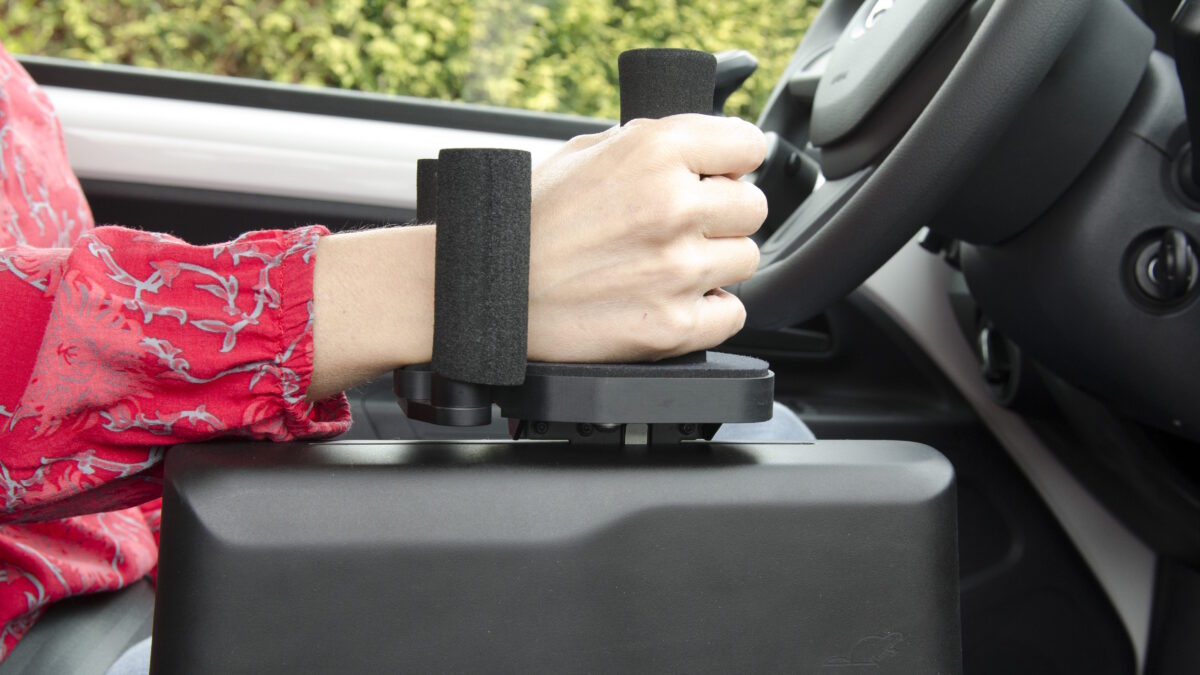
For many drivers with mobility impairments, independence on the road is made possible through the use of hand controls. These ingenious adaptations allow individuals who cannot operate traditional foot pedals to safely accelerate and brake using their hands instead. Whether you’re recovering from an injury, living with a disability, or experiencing reduced lower limb mobility, choosing the right hand control system is crucial for both safety and comfort.
The market offers several types of hand controls, each designed with different operating mechanisms and user requirements in mind. The three most popular systems are push/pull, Carospeed, and push-down controls. Whilst all three serve the same fundamental purpose, they differ significantly in their operation, installation requirements, suitability for various conditions, and overall user experience.
This comprehensive guide examines these three primary hand control systems, comparing their features, advantages, and potential drawbacks to help you make an informed decision about which system best suits your individual needs and circumstances.
Understanding Hand Controls: The Basics
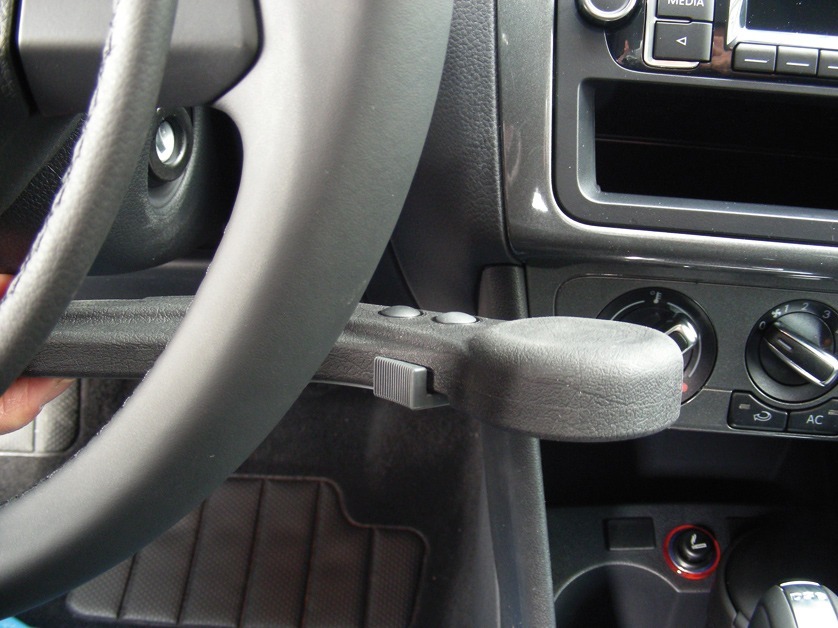
Before diving into specific systems, it’s essential to understand what hand controls are and how they function. Hand controls are mechanical devices installed in vehicles that enable drivers to operate the accelerator and brake pedals using hand movements rather than foot movements. These adaptations are fitted to the vehicle’s existing pedal system, allowing seamless control whilst maintaining the original foot pedals for able-bodied drivers who may also use the vehicle.
Modern hand controls are sophisticated, reliable, and increasingly common on British roads. They’re regulated by the Driver and Vehicle Licensing Agency (DVLA), and drivers using them must have the appropriate restriction noted on their driving licence. Professional installation by an approved mobility adaptation specialist is essential, not only for safety but also to ensure compliance with insurance requirements and MOT regulations.
Push/Pull Hand Controls
How Push/Pull Systems Work
Push/pull hand controls are arguably the most traditional and widely recognised hand control system. The mechanism consists of a lever mounted near the steering wheel, typically on the left side. The operation is intuitive: pushing the lever away from you applies the brake, whilst pulling it towards you activates the accelerator.
This system connects directly to the vehicle’s existing pedal assembly through a mechanical linkage. When you push the lever, it mechanically depresses the brake pedal; when you pull, it operates the accelerator. The foot pedals remain fully functional, making the vehicle accessible to both hand control users and conventional drivers.
Advantages of Push/Pull Controls
Push/pull systems offer several compelling benefits. Firstly, they’re relatively straightforward to install and are among the most affordable hand control options available. Their simplicity means there are fewer components that could potentially malfunction, contributing to excellent reliability.
The learning curve for push/pull controls is generally gentle, particularly for new hand control users. The push-to-brake, pull-to-accelerate motion feels natural to most people and can be mastered relatively quickly with proper training. This intuitive design means many drivers feel confident with the system after just a few driving lessons.
Installation is typically less invasive than other systems, and push/pull controls can be fitted to a wide range of vehicles, from small city cars to larger family vehicles. The mechanical simplicity also means that maintenance costs tend to be lower compared to more complex systems.
Disadvantages of Push/Pull Controls
However, push/pull systems aren’t without limitations. The physical effort required to operate them can be considerable, particularly during emergency braking situations where significant force is needed. This makes them less suitable for individuals with limited upper body strength or conditions affecting the arms, shoulders, or hands.
Prolonged use can lead to fatigue, especially during long journeys or in heavy traffic conditions where frequent acceleration and braking are necessary. Some users also report that the constant pushing and pulling motion can be tiring on the arm and shoulder muscles.
Additionally, the positioning of the lever may interfere with some steering techniques, and drivers with certain disabilities may find the range of motion required challenging or uncomfortable.
Carospeed Hand Controls
How Carospeed Systems Work
Carospeed hand controls, sometimes called accelerator ring or radial controls, represent a more advanced approach to vehicle adaptation. This Belgian-designed system features a distinctive ring or paddle positioned near the steering wheel. The accelerator is controlled by pushing the ring or paddle forwards, whilst the brake is activated by a separate lever or trigger mechanism, typically operated by the thumb or fingers.
What sets Carospeed apart is its ergonomic design, which allows for more natural hand positioning and reduces the range of motion required. The system is designed to keep the driver’s hand closer to the steering wheel, potentially improving overall vehicle control and reducing fatigue.
Advantages of Carospeed Controls
Carospeed systems are renowned for their ergonomic benefits. The reduced range of motion required means less strain on the arm, shoulder, and upper body, making them particularly suitable for individuals with limited strength or those prone to fatigue. The system allows for more relaxed driving over extended periods.
The positioning of the controls enables drivers to maintain better contact with the steering wheel, which can enhance overall vehicle control and safety. Many users report that Carospeed feels more intuitive and less tiring than traditional push/pull systems, particularly during motorway driving or long journeys.
Carospeed controls are also highly regarded for their build quality and reliability. The system’s design has been refined over many years, resulting in a robust, well-engineered product that performs consistently across various driving conditions.
The aesthetic integration is often superior to other systems, with the controls looking more like a factory-fitted feature than an aftermarket adaptation.
Disadvantages of Carospeed Controls
The primary drawback of Carospeed systems is cost. They are significantly more expensive than push/pull controls, both in terms of the initial purchase and installation. This price difference can be prohibitive for some users, particularly if funding isn’t available through grants or charities.
Installation is more complex and may not be suitable for all vehicle types, particularly older models or those with unconventional pedal configurations. The specialist nature of the installation means you’ll need to find an approved Carospeed fitter, which may limit your options depending on your location.
Some users find the operation less intuitive initially compared to push/pull systems, requiring more comprehensive training to master. The learning curve can be steeper, though most users report that once proficient, the system feels very natural.
Push-Down Hand Controls
How Push-Down Systems Work
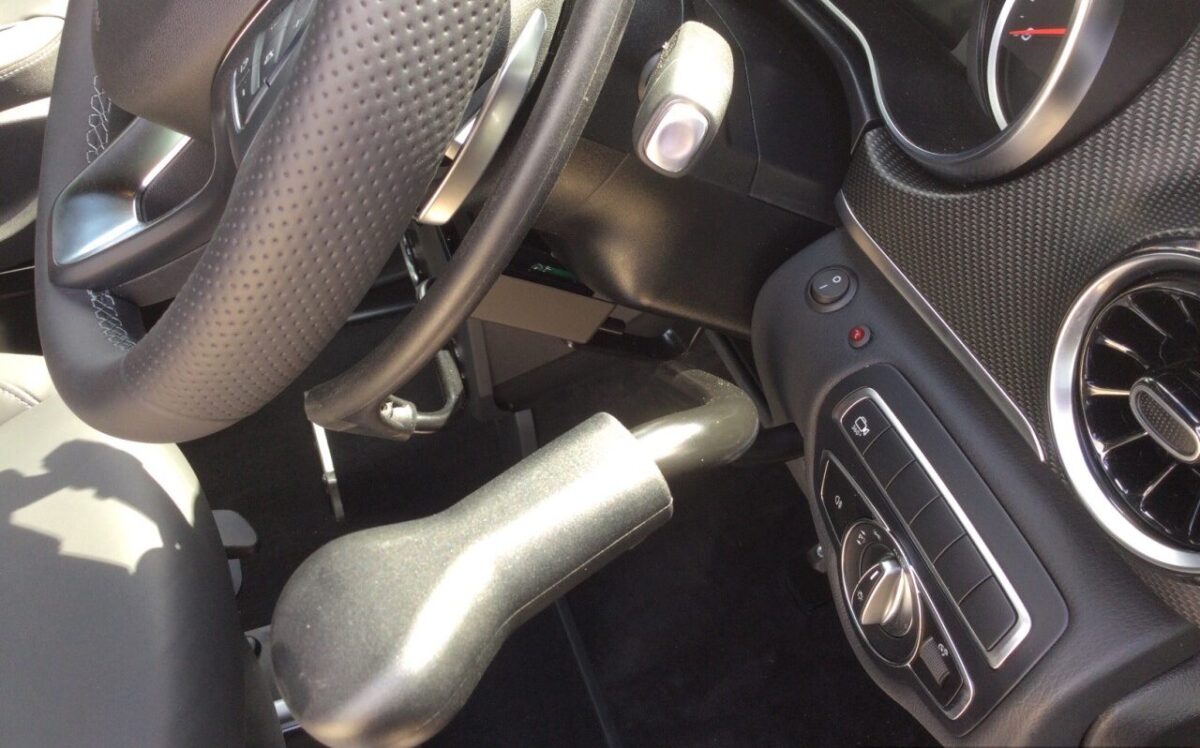
Push-down hand controls, also known as push-rock or push-angle controls, utilise a lever that operates through different angles and pressures. The lever is typically mounted vertically near the steering column. Pushing the lever straight down activates the brake, whilst pushing it at an angle or pressing a trigger activates the accelerator.
This system offers a different mechanical approach that some users find more comfortable and intuitive than the push/pull motion. The downward pushing motion for braking can feel more natural and may allow for greater force application when needed.
Advantages of Push-Down Controls
Push-down systems offer excellent control sensitivity, allowing for smooth, gradual acceleration and braking. The downward motion for braking aligns well with natural body mechanics, potentially allowing users to apply greater force when needed without excessive strain.
For individuals with specific upper limb conditions, the push-down motion may be more comfortable and require less range of motion than push/pull systems. The positioning of the lever can also be adjusted to suit individual ergonomic requirements.
Installation costs typically fall between push/pull and Carospeed systems, offering a middle-ground option for those seeking enhanced features without the premium price tag of Carospeed controls.
The system is generally reliable and can be fitted to most modern vehicles, offering good versatility across different makes and models.
Disadvantages of Push-Down Controls
Push-down controls may require more training to master than push/pull systems, as the angular movements can feel less intuitive initially. Some users find the distinction between brake and accelerator activation confusing at first, though this typically improves with practice.
The system may not be suitable for individuals with very limited grip strength or certain hand conditions, as maintaining control of the lever requires consistent hand pressure and positioning.
Whilst more affordable than Carospeed, push-down systems are generally more expensive than basic push/pull controls, which may be a consideration for budget-conscious users.
Making Your Choice: Key Considerations
Physical Capabilities and Comfort
Your physical condition should be the primary factor in choosing hand controls. Consider your upper body strength, range of motion, grip strength, and any conditions that might affect your ability to operate different systems. A professional assessment from an occupational therapist or mobility driving instructor is invaluable in making this determination.
Budget and Funding
Hand controls vary significantly in price. Push/pull systems are the most affordable, typically ranging from £400 to £800 installed. Push-down controls generally cost between £800 and £1,500, whilst Carospeed systems can exceed £2,000 installed. Investigate potential funding sources, including the Motability Scheme, Access to Work grants, or charitable organisations that support disabled drivers.
Vehicle Compatibility
Not all hand controls are suitable for all vehicles. Modern cars with electronic throttle systems may require specific adaptations. Consult with approved installers about compatibility with your specific vehicle make and model before making a decision.
Driving Patterns
Consider how you’ll use your vehicle. If you primarily drive short distances in urban areas, fatigue may be less of a concern, making push/pull controls perfectly adequate. For regular motorway journeys or long-distance driving, the ergonomic advantages of Carospeed or push-down systems may justify the additional investment.
Future Needs
If your condition is progressive or likely to change, consider whether your chosen system will remain suitable. Some users find it worthwhile to invest in a more advanced system initially to accommodate potential future changes in their capabilities.
Professional Assessment and Training
Regardless of which system you choose, professional assessment and training are essential. Contact a Driving Mobility assessment centre, where qualified specialists can evaluate your needs and provide practical experience with different hand control systems. These centres offer impartial advice and can conduct on-road assessments to determine which system you operate most safely and comfortably.
Once your hand controls are installed, comprehensive training from an approved driving instructor familiar with adapted vehicles is crucial. They’ll teach you not only how to operate the controls but also how to handle emergency situations, perform specific manoeuvres, and drive confidently in various conditions.
Conclusion
Choosing between push/pull, Carospeed, and push-down hand controls is a highly personal decision that depends on your individual circumstances, physical capabilities, budget, and driving requirements. Push/pull systems offer affordability and simplicity, making them ideal for those with good upper body strength seeking a straightforward solution. Carospeed controls provide superior ergonomics and reduced fatigue, justifying their premium price for frequent drivers or those with limited strength. Push-down systems offer a middle ground, combining enhanced features with moderate pricing.
The most important step is seeking professional assessment to ensure your chosen system is safe, suitable, and comfortable for your needs. With the right hand controls properly installed and adequate training, you can enjoy the freedom and independence that driving provides, regardless of lower limb mobility challenges. Remember, hand controls aren’t simply adaptations—they’re enablers of independence, opening up opportunities for work, leisure, and social connection that many take for granted.


One thought on “Hand Controls Compared: Push/Pull vs Carospeed vs Push-Down”
Comments are closed.