


When you or a family member requires vehicle adaptations to drive safely and comfortably, one crucial question often arises: can someone else use these modifications? Whether you’re considering adding a named driver to your policy, sharing family transport duties, or purchasing a second-hand adapted vehicle, understanding how car adaptations affect multiple drivers is essential.
This comprehensive guide explores the practicalities, safety considerations, and legal implications of sharing an adapted vehicle. We’ll examine which modifications allow dual-driver usage, what restrictions you might face, and how to ensure everyone remains safe and legal on British roads.
Understanding Vehicle Adaptations
Vehicle adaptations are modifications made to cars, enabling people with disabilities, injuries, or specific medical conditions to drive or travel more comfortably. These can range from simple additions like cushions and swivel seats to complex mechanical alterations such as hand controls and left-foot accelerators.
The Motability Scheme, one of Britain’s largest providers of adapted vehicles, has helped hundreds of thousands of disabled people access suitable transport. However, the question of who can legally and safely operate these modified vehicles remains a grey area for many families.
Common Types of Car Adaptations
Before determining whether a second driver can use your adapted car, it’s important to understand the various modification categories:
Minor adaptations include parking sensors, reversing cameras, larger mirrors, and steering aids. These typically don’t restrict other drivers from using the vehicle.
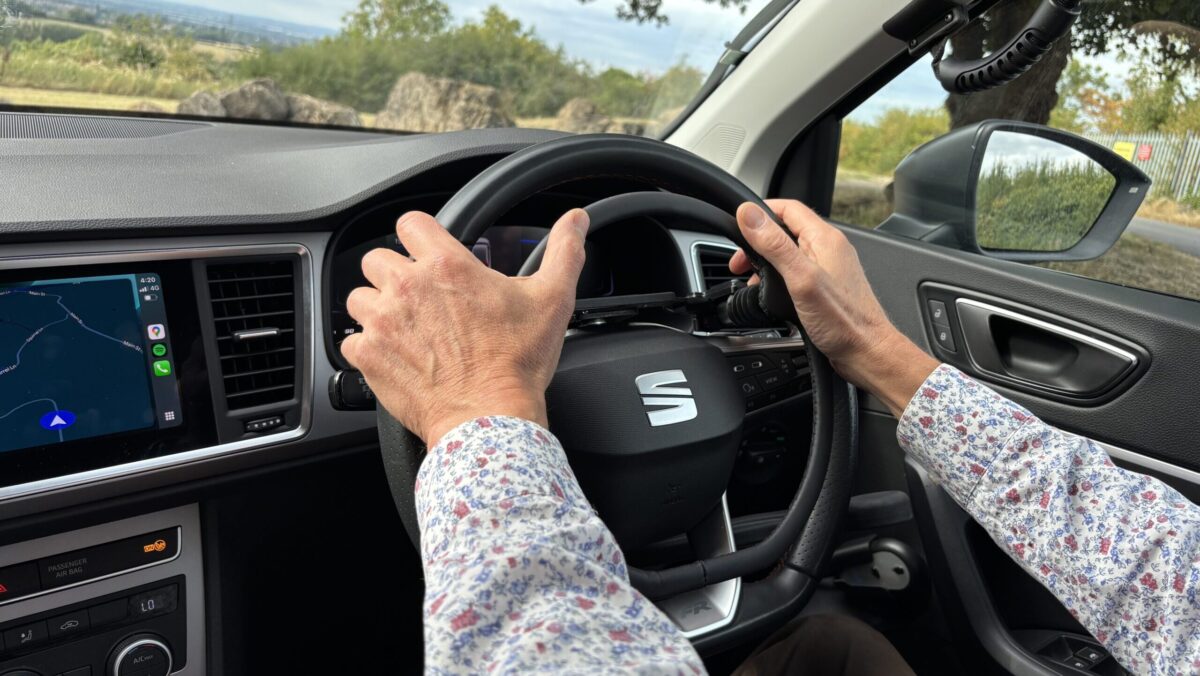
Moderate adaptations encompass hand controls for acceleration and braking, left-foot accelerator pedals, steering wheel knobs, and pedal guards. These may require removal or deactivation for standard drivers.
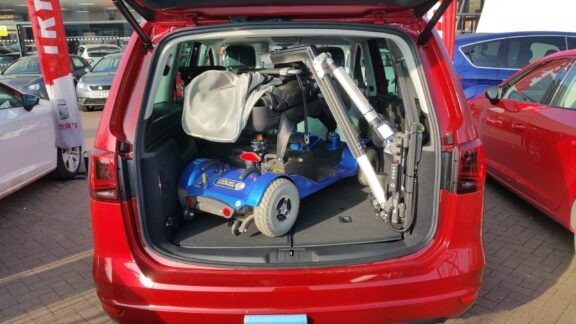
Major adaptations involve wheelchair accessible vehicles and conversions, drive-from-wheelchair systems, and extensively modified seating positions. These can make dual-driver usage impossible without significant adjustment.
Can a Second Driver Use an Adapted Vehicle?
The short answer is: it depends entirely on the type of adaptations fitted. There’s no blanket rule preventing non-disabled drivers from operating adapted vehicles, but several factors determine feasibility and safety.
Removable vs Permanent Adaptations
Removable adaptations offer the most flexibility for multi-driver households. Many modern hand controls, steering aids, and pedal modifications can be temporarily removed or stowed when not needed. For example, push-pull hand controls often fold away, allowing standard foot pedal operation.
If you’re purchasing adaptations specifically for a shared vehicle, consider requesting removable or retractable options. Whilst these may cost slightly more initially, they provide invaluable versatility for families.
Permanent adaptations, conversely, may prevent or seriously complicate second-driver usage. Modifications such as lowered floors, fixed hand controls, or vehicles designed for drive-from-wheelchair use typically cannot accommodate standard drivers without major reconfiguration.
Adaptations That Allow Dual Driver Use
Most common modifications don’t restrict second drivers:
Enhanced visibility aids such as extended mirrors, reversing cameras, and parking sensors benefit all drivers equally and require no adjustment between users.
Left-foot accelerator pedals have either a second pedal that folds down on the right hand side, or for electronic floor mounted pedals have a switch to change which pedal is active. When the primary driver finishes, the left-foot pedal can be disabled or folded away, and the right-hand pedal is activated or folded down, restoring normal pedal configuration for right-foot drivers.
Hand controls are linked mechanically to the original pedals, but the original controls will still function as normal for a second driver. In some cases, if a hinged accelerator pedal has been fitted, the second driver may need to fold this pedal down before they drive the vehicle but this only takes a moment to do.
Electronic hand controls are linked electronically to the original accelerator pedal and mechanically to the brake pedal. The electronic link to the accelerator pedal can be turned on and off so that a second driver can still drive the vehicle using the original accelerator pedal.
Steering wheel knobs and handles typically attach via clamp mechanisms which have a quick release mechanism and can be removed in seconds.
Swivel seats assist entry and exit but don’t affect actual driving operation, meaning any qualified driver can operate the vehicle once seated normally.
Adaptations That Restrict Second Drivers
Certain modifications make dual-driver arrangements impractical or impossible:
Drive-from-wheelchair conversions fundamentally alter the vehicle’s driving position, making standard seated driving impossible without extensive modification.
Extensively modified seating positions may not accommodate drivers of significantly different heights or physical requirements.
Legal and Insurance Considerations
Beyond physical capability, several legal and insurance factors affect whether a second driver can use your adapted vehicle.
Driving Licence Restrictions
When someone passes their driving test using an adapted vehicle, their licence may include restriction codes indicating which modifications they require. These codes, printed on the photocard licence, specify conditions such as:
- Code 10: Modified transmission (automatic only)
- Code 15: Modified clutch
- Code 20: Modified braking systems
- Code 25: Modified accelerator systems
- Code 35: Modified control layouts
- Code 40: Modified steering
Crucially, these restrictions apply only to the licence holder. A second driver with a standard, unrestricted licence can legally drive the same adapted vehicle, provided they can operate it safely and the adaptations don’t prevent standard operation.
However, if adaptations fundamentally change how the vehicle is controlled, a driver unfamiliar with these systems should not attempt to drive, regardless of licence validity.
Insurance Implications
Adding a second driver to an adapted vehicle’s insurance policy requires complete transparency with your insurer. You must declare:
- All modifications and adaptations fitted
- Whether the second driver can safely operate the vehicle with adaptations in place
- Whether adaptations can be removed or disabled
Most insurers will cover additional drivers on adapted vehicles, but premiums vary considerably. Some specialist disability insurance providers offer better rates for adapted vehicles than mainstream insurers.
Never assume a standard multi-car or named driver policy automatically covers adapted vehicles. Always obtain written confirmation that all drivers and all modifications are covered before allowing anyone else to drive.
Practical Considerations for Shared Use
Even when legally and physically possible, sharing an adapted vehicle requires careful planning and communication. When multiple drivers use an adapted vehicle, ensure all modifications remain properly secured and functional. Regularly removed adaptations should be checked for wear, and both drivers should understand correct installation and removal procedures.
Establishing Clear Protocols
Create written procedures for transitioning the vehicle between drivers. Document:
- Step-by-step adaptation removal/installation instructions
- Safety checks required before driving
- Time needed for changeover (typically 5-30 minutes depending on adaptations)
- Storage location for removed components
This prevents rushed transitions that might compromise safety or damage expensive modifications.
Training and Familiarisation
Before allowing a second driver to use your adapted vehicle, ensure they:
- Understand which adaptations can and cannot be removed
- Know how to safely configure the vehicle for standard driving
- Recognise warning signs of adaptation malfunction
- Feel completely comfortable with the vehicle’s handling characteristics
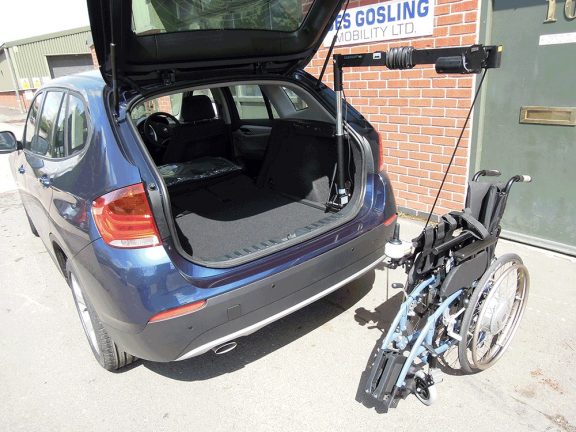
Some adaptations, even when removed, subtly affect vehicle dynamics. Additional weight from wheelchair hoists or altered suspension geometry might create unfamiliar handling.
Storage and Component Care
Removable adaptations represent significant investment—often thousands of pounds. Establish proper storage for removed components:
- Dedicate secure vehicle storage space (boot compartments work well)
- Use protective covers to prevent damage
- Check components before reinstallation for wear or damage
- Keep instruction manuals accessible
Motability and Scheme-Specific Rules
The Motability Scheme, which helps disabled people lease adapted vehicles, has specific regulations regarding additional drivers.
Named Drivers on Motability Vehicles
Motability allows up to three named drivers on their comprehensive insurance at no extra cost. These drivers can use the vehicle regardless of adaptations, provided:
- They hold a valid UK driving licence
- They can safely operate the vehicle (with or without adaptations in place)
- The primary scheme user benefits from their driving assistance
Named drivers often include family members, carers, or partners who help with transportation duties.
Adaptation Ownership
When a Motability lease ends, adaptations typically remain with the vehicle unless you purchased them privately as “optional extras.” If you’ve paid for adaptations yourself, you can sometimes transfer them to your next lease vehicle.
This consideration affects whether you invest in transferable systems—if you plan to keep adaptations long-term through multiple vehicles, transferable options offer better value.
Purchasing a Second-Hand Adapted Vehicle
The used adapted vehicle market presents unique considerations for buyers planning multi-driver use.
Assessing Adaptation Removability
When viewing second-hand adapted cars, determine:
- Which adaptations are permanently fitted
- Whether removable adaptations are included or have been retained by the previous owner
- If removal/reinstallation instructions and tools are available
- Whether adaptations are transferable to other vehicles
- Request demonstration of any removal mechanisms and, if possible, test drive with adaptations both engaged and disengaged.
Making the Decision: Is Dual-Driver Use Right for You?
Sharing an adapted vehicle offers obvious practical and economic benefits, but suitability depends on individual circumstances.
Dual-driver arrangements work best when:
- Adaptations are designed to be removable
- Both drivers have flexible schedules allowing time for vehicle reconfiguration
- The second driver genuinely needs regular access (not just emergency backup)
- Insurance costs for adding a named driver remain reasonable
- Both parties understand and respect the adaptation systems
Consider alternative arrangements if:
- Adaptations are extensively permanent
- The primary driver needs immediate, unpredictable vehicle access
- Changeover procedures are complex or time-consuming
- The second driver requires the vehicle only occasionally
- Insurance becomes prohibitively expensive
Conclusion
“Can a second driver use car adaptations?” has no universal answer. Many adapted vehicles cope well with multiple drivers, particularly those fitted with removable hand controls or other minor modifications. Others, carrying extensive permanent adaptations like a left foot accelerator, steering ball, or custom pedal modifications, are built around one driver.
Success comes down to four things: honest assessment of your setup, clear communication with your insurer, proper familiarisation for every driver, and agreed protocols for safe vehicle sharing. Whether you’re adding a family member to your Motability vehicle, buying a used adapted car, or planning fresh adaptations for a wheelchair accessible vehicle or family car, the same principles apply.
Always put safety before convenience. If any doubt exists about whether a second driver can operate your adapted vehicle safely, speak to your adaptation specialist, your occupational therapist, or a disability driving assessment centre. A short familiarisation session easily outweighs the risk, and it keeps your adapted vehicle doing its real job: giving independence and mobility to everyone who relies on it.


One thought on “Can a Second Driver Use Car Adaptations? A Practical Guide”
Comments are closed.